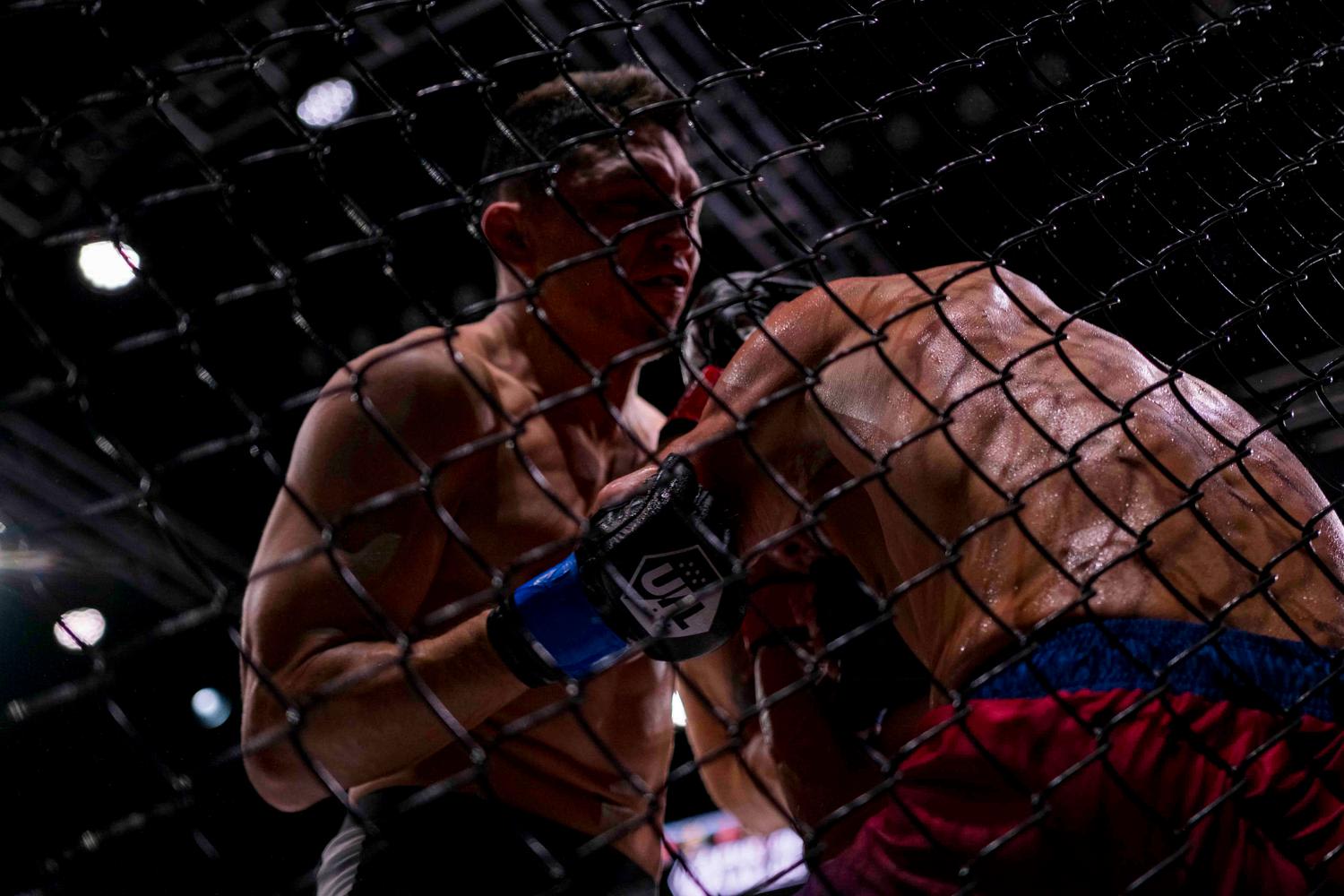
Scroll through any company's Instagram or LinkedIn and you will see the same thing: finished products, polished headshots, clean graphics with branded fonts. Everything looks perfect. And none of it makes you feel anything.
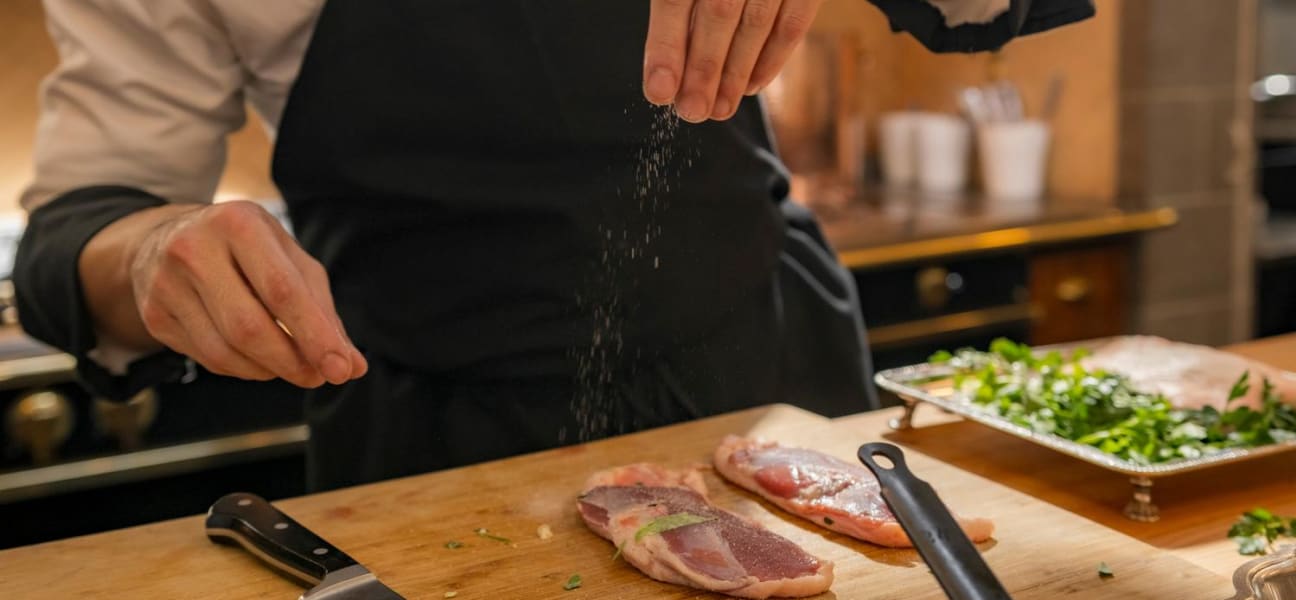
Now find the one brand in your feed that posts a video of their team actually working. A welder dragging a bead on structural steel. A chef seasoning fish at 6 AM before service. A warehouse crew loading a pallet at the end of a 12-hour shift. That is the post you stop on. That is the brand you remember.
Behind-the-scenes content is not a trend. It is the single most trust-building content format available to any business — and the one most companies are too self-conscious to use.
There is a reason machining videos get millions of views on YouTube. There is a reason cooking channels outperform cooking advertisements. People are drawn to process. They want to see how the thing gets made, who makes it, and what it takes. It satisfies a curiosity that no finished-product photo ever will.
For businesses, this is an enormous opportunity hiding in plain sight. Every company has a process. Every company has people doing skilled work that the outside world never sees. The factory floor, the kitchen, the job site, the shop — these are the places where trust is manufactured. Not in a conference room. Not in a design tool. On the ground, where the work happens.
Behind-the-scenes content works because it is inherently authentic. You cannot fake a welder's hands. You cannot stage the way a chef moves in a kitchen they have worked in for a decade. The camera captures something real, and the audience can feel the difference.
The data backs this up. Edelman Trust Barometer shows brand authenticity is now the top purchase driver among consumers globally — outranking price, product features, and even convenience. And Sprout Social's research found 86% of consumers say authenticity matters when deciding which brands to support. Behind-the-scenes content is one of the most direct ways to deliver that authenticity at scale.
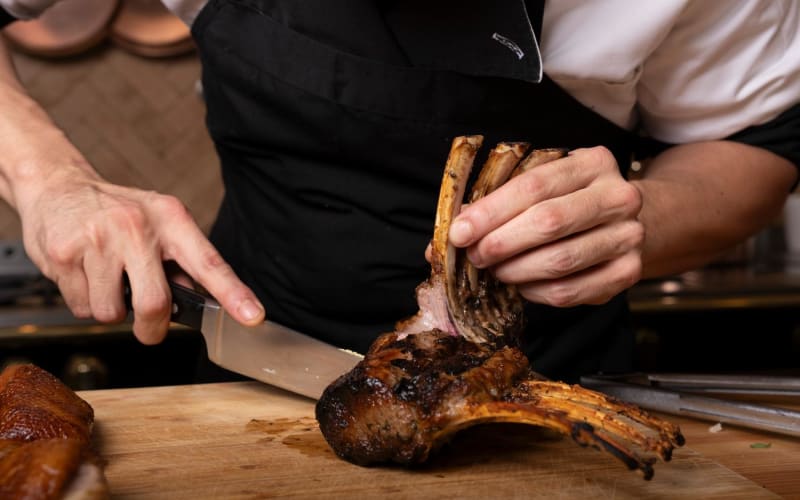

Behind-the-scenes content performs differently than polished brand content. It gets shared more, because it feels personal rather than promotional. It generates more comments, because people ask questions about the process. It builds longer watch times on video, because curiosity keeps people engaged through the entire clip.
Instagram's internal data shows Reels featuring behind-the-scenes content consistently outperform polished promotional video in reach and saves — two signals the algorithm rewards with broader distribution. And according to Stackla's consumer content survey, user-generated and authentic brand content is 2.4 times more likely to be perceived as authentic than content brands create themselves — making process-driven content one of the highest-trust formats a business can deploy.
But the real value is not in engagement metrics. It is in what happens downstream. A prospect who has watched your team work is a fundamentally different buyer than one who has only seen your brochure. They already trust your capability. They already understand your quality standards. The sales conversation starts on a completely different foundation.
A Harvard Business Review analysis of brand trust and process transparency found that companies who openly demonstrate their methods and operations build stronger customer loyalty than those who rely on outcome-only messaging. Showing the work is not just good content strategy — it is a competitive differentiator that compounds over time.
For companies in trades and industrial sectors, this is especially powerful. Your competitors are showing stock photos and spec sheets. You are showing the actual work. That gap in authenticity becomes a gap in credibility, which becomes a gap in the pipeline. Understanding your brand photography ROI helps make the case internally for investing in this kind of content — and the numbers tend to be persuasive.
The best behind-the-scenes content falls into four categories.
Hands at work. The close-up detail shots that show skill and precision. A chef's knife work. A technician's soldering iron. A carpenter's planer on raw wood. These images communicate craftsmanship without a single word of copy.
The environment. Wide shots of where the work happens — the shop floor, the commercial kitchen, the construction site, the loading dock. These photos give context and scale. They show that your operation is real, organized, and serious.
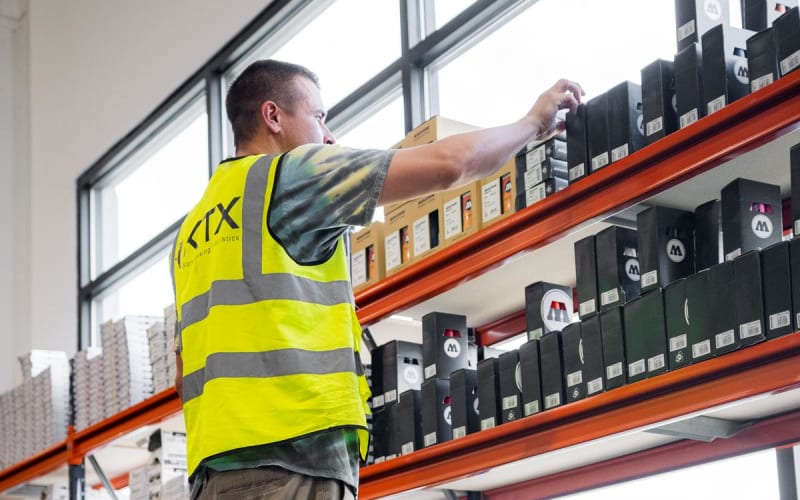
The people. Not posed headshots — candid moments of your team in their element. The foreman giving direction. The apprentice learning a new process. The owner walking the floor. People connect with people, and these images build emotional equity that no logo or tagline can match.
The sequence. Before, during, after. Raw material to finished product. Empty job site to completed project. These visual arcs are incredibly compelling on social media — especially as carousels on Instagram or short-form video clips.
The most efficient way to build a library of this content is through a content retainer — a recurring production relationship that captures behind-the-scenes moments across multiple shoots over time, rather than trying to produce everything in a single session. The library compounds. The more you capture, the more you have to work with across every channel.
The biggest barrier to behind-the-scenes content is not equipment or budget. It is the belief that the work is not interesting enough to show. "Who wants to see the inside of our warehouse?" Every potential customer. Every potential employee. Every distributor trying to explain to their clients why they should choose your product over the alternative.
The second mistake is treating BTS content as filler — something to post when you do not have anything else. The brands that win with this format treat it as a primary content pillar. It gets the same creative attention, the same production quality, and the same strategic distribution as any hero campaign. If you are unsure how to structure that kind of production relationship, knowing what to look for when hiring a production company is a useful starting point — the right partner will build BTS capture into the workflow from day one, not treat it as an afterthought.
If your team takes pride in how they work, you already have the raw material for the most powerful content your brand will ever produce. The precision of the process. The experience in the hands. The environment that shapes the product. All of it is a story waiting to be told.
At VANTAS Productions, behind-the-scenes content is not an add-on. It is central to how we approach every shoot. Whether we are in a commercial kitchen, a warehouse, or a manufacturing facility, we capture the process alongside the product — because the process is what makes people care.
If your work is worth seeing, book a discovery call with our Creative Director or reach out at hello@wearevantas.com. We will show you what your process looks like when someone captures it with intention.
What counts as behind-the-scenes content for a business?Anything that shows the real process behind your product or service. For a manufacturer, it is the production floor and the hands building the product. For a restaurant, it is prep before service. For a hotel, it is the housekeeping team turning a room, the chef sourcing ingredients. For a professional services firm, it is the team in a real meeting working on a real problem. Behind-the-scenes means: what actually happens to create what you sell.Is behind-the-scenes content appropriate for B2B brands?Yes — and it may matter more in B2B than consumer markets. B2B buyers are making larger, higher-stakes purchasing decisions, often on longer timelines, and they scrutinize vendors more carefully. Seeing the actual team, the actual process, and the actual environment that will deliver the product or service reduces perceived risk in a way that polished marketing materials never can.How do you make behind-the-scenes content that feels authentic and not staged?The short answer: do not over-direct it. Give your production team access and time. Let the crew document what is actually happening rather than asking people to re-enact it. The best behind-the-scenes content is captured, not performed. Brief your team that the goal is honest documentation, not a TV commercial. One good production day with that mandate produces more authentic content than 10 days of managed, rehearsed scenes.What formats work best for behind-the-scenes content?Short-form video (15-60 seconds) performs strongest on Instagram Reels, TikTok, and LinkedIn. Still photo sequences work well for email newsletters and blog posts. Long-form video (2-5 minutes) is appropriate for YouTube and embedded website content. The same shoot can produce all three formats if captured with that intent from the start.How much of a brand's content mix should be behind-the-scenes vs. finished/polished content?There is no fixed ratio, but a common framework is 70/20/10: 70% educational or entertaining value-add content (which can include BTS), 20% brand and culture content (including BTS), 10% direct promotional content. The risk most brands run is the opposite: 80% promotional content that audiences scroll past and 20% content that actually builds relationship. More BTS almost always means better engagement and deeper brand affinity.