In the world of hospitality, first impressions happen long before a guest sets foot in the lobby. More often than not, that first impression is a photo or a video. The visuals hotels and resorts share online are not just decoration — they are the deciding factor in whether a traveler clicks book now or keeps scrolling.
At Vantas, we've seen how powerful the right imagery can be. But don't just take our word for it — research backs it up.
Cornell's School of Hotel Administration research on visual content and booking intent confirms that larger, high-quality photos increase a guest's willingness to book — and even their willingness to pay more. Guests are drawn to immersive, aspirational imagery that allows them to imagine themselves there. Too many photos, however, can overwhelm. A well-curated gallery with a balance of detail and overview tends to perform best.
Hotels featuring 20+ high-quality images per room have seen booking increases of over 130%, while listings with professional photography outperform others by over 60%. TripAdvisor's data shows properties with 30+ photos receive 41% more engagement — and even a single striking photo can increase engagement by 138%.
Professional visuals aren't just nice to have — they directly impact revenue. Hospitality Net research on visual content and RevPAR correlation shows that properties with polished imagery report:
Phocuswire analysis of traveler photo behavior in booking decisions reinforces what Cornell University found: when travelers browse a hotel's website, they look at the images before they read any text. Photography isn't supplemental — it's the most important piece of content you can offer.
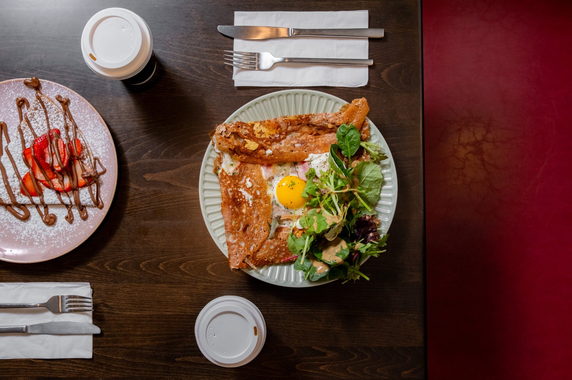
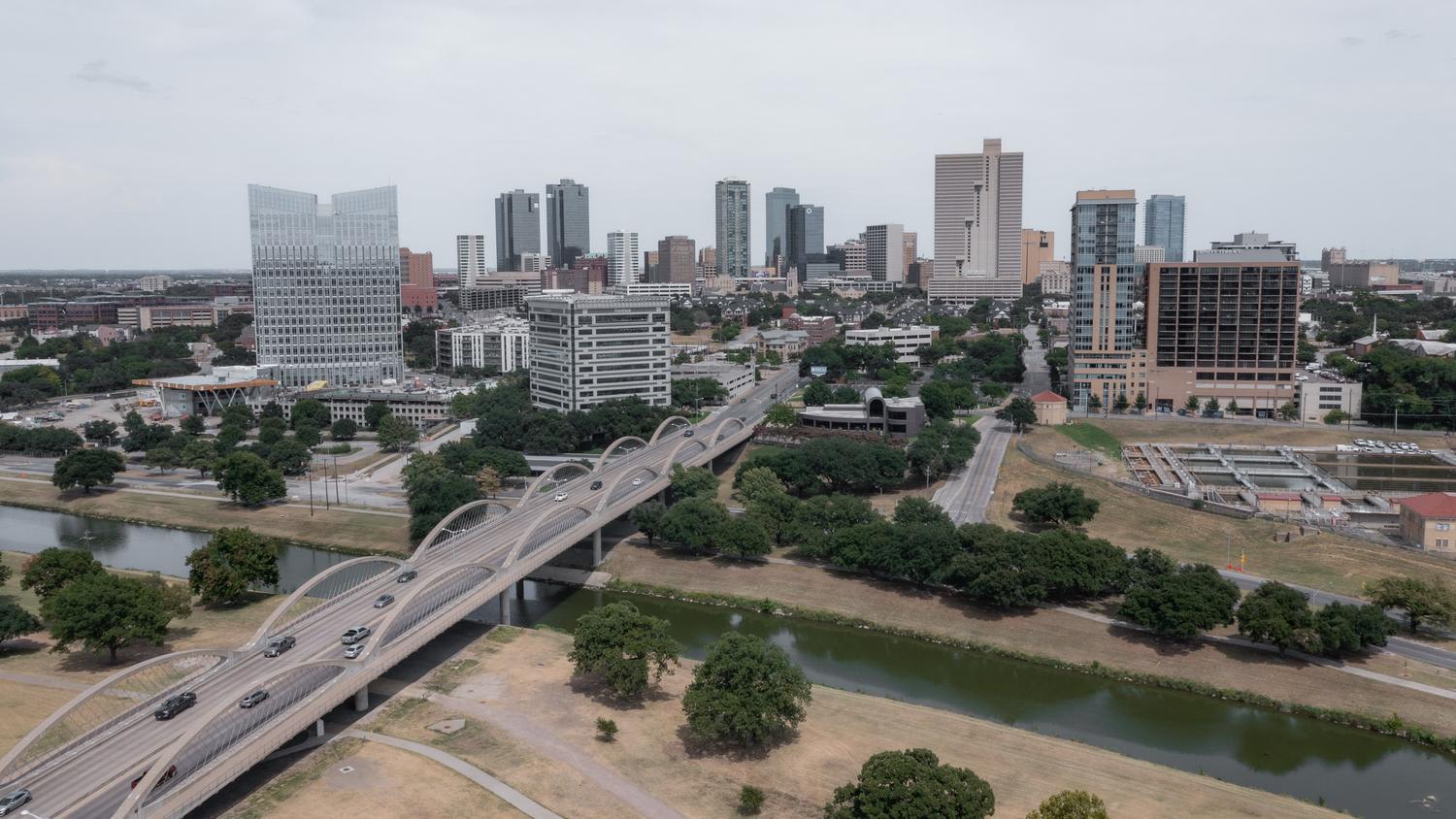
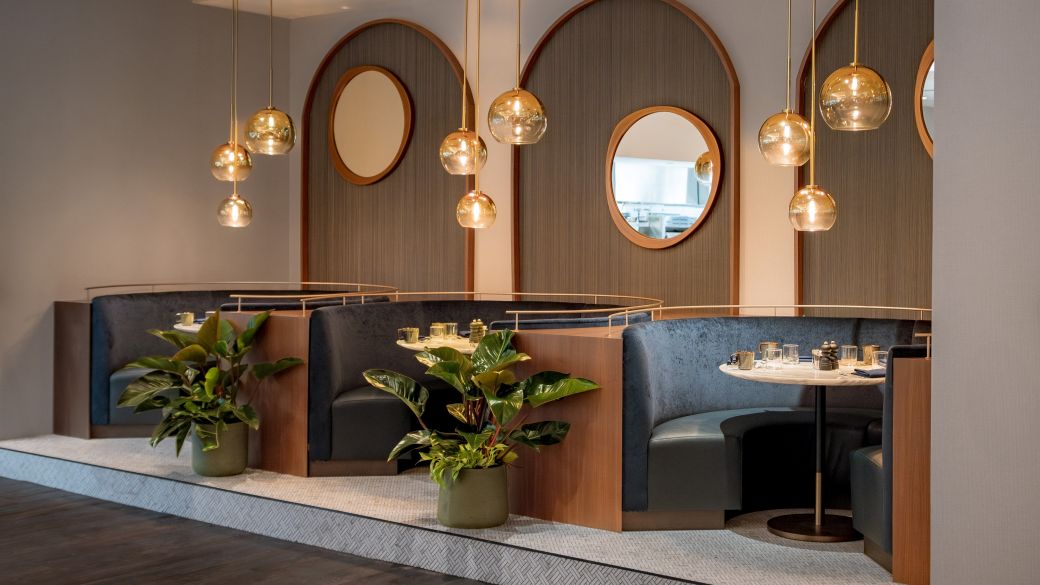
Beyond bookings, visuals define your brand identity. STR's hotel industry benchmarking data consistently shows that top-performing properties invest in cohesive, story-driven visual content. A well-lit lobby shot, an inviting restaurant corner, or a sweeping aerial view of your property doesn't just show "what's there." It tells the story of your atmosphere, your service, and the experience a guest can expect.
If you're evaluating your current photography or planning an update, here are a few best practices:
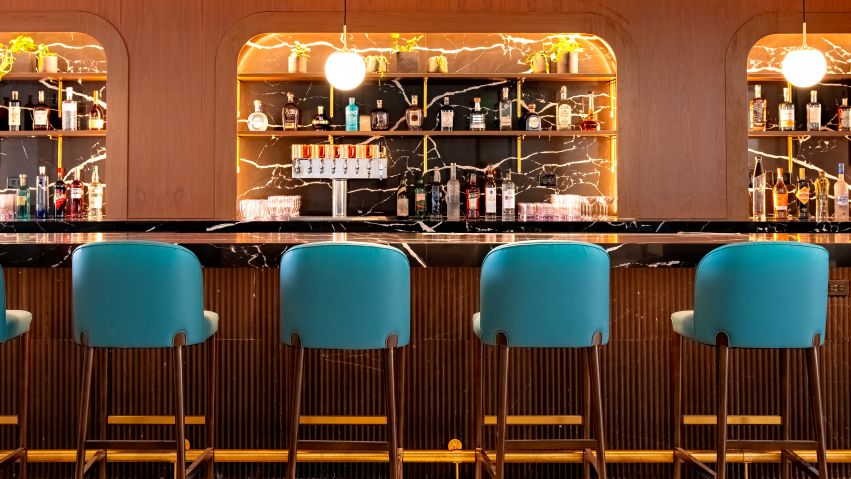
The hospitality market is competitive — travelers are spoiled for choice. What sets properties apart often comes down to how well they tell their story visually. Investing in high-quality photography and video is less about chasing trends and more about creating timeless, trustworthy assets that keep paying dividends.
At Vantas, we're passionate about helping hospitality brands share their experiences in ways that connect with people. Whether you're considering hiring a production company for hospitality or working with an in-house team, the lesson remains the same: strong visuals aren't optional anymore — they're essential.
Authentic guest photography outperforms models when done well, but requires consent management (photo release agreements) and skilled candid photography. Models with good casting outperform poorly candid staff photos. The ideal mix: professional environmental and room shots without people, authentic lifestyle shots of real guests who have signed releases, and a small number of intentionally staged shots for specific marketing uses. The most important rule: no obvious stock photo people in a property that has real guests worth photographing.
{
"@context": "https://schema.org",
"@type": "FAQPage",
"mainEntity": [
{"@type":"Question","name":"How many photos does a hotel actually need for effective marketing?","acceptedAnswer":{"@type":"Answer","text":"Industry benchmarks from TripAdvisor and OTA platforms suggest a minimum of 30 high-quality images per property for meaningful booking conversion — enough to show every room category, the dining experience, lobby and common areas, pool and amenities, and exterior. Beyond 30, diminishing returns set in for quantity; quality and variety matter more than raw count. Properties with 50-100 well-curated images covering distinct spaces, seasons, and lighting conditions tend to outperform both under-photographed and over-photographed listings."}},
{"@type":"Question","name":"What shots are most important in a hotel photography package?","acceptedAnswer":{"@type":"Answer","text":"In order of booking impact: (1) suite and room photography showing the bed, bathroom, and view; (2) dining photography showing the food and atmosphere; (3) lobby and arrival experience; (4) pool, spa, and amenity spaces; (5) exterior and approach. Secondary priorities: lifestyle shots showing guests in experience (not stock photos), event and meeting space, and seasonal or special experience content."}},
{"@type":"Question","name":"How often should hotels update their photography?","acceptedAnswer":{"@type":"Answer","text":"Major renovations require immediate reshoot — photographing rooms that no longer look like the listing actively damages booking conversion. Beyond renovations, a full photography refresh every 2-3 years maintains content currency. Seasonal supplements (showing the property in different seasons) can be added between full refreshes at lower cost. Properties with active social media channels need ongoing content production, which a retainer model handles more cost-effectively than annual projects."}},
{"@type":"Question","name":"What is the ROI of professional hotel photography vs. using staff-shot photos?","acceptedAnswer":{"@type":"Answer","text":"Properties that upgrade from staff photos to professional photography consistently see 15-30% increases in direct booking conversion rates, according to hospitality industry research. At a property with $500,000 in annual revenue, a 20% improvement in conversion on organic traffic can represent $50,000-$100,000 in incremental revenue — making a $3,000-$8,000 photography investment return 10-20x in year one alone."}},
{"@type":"Question","name":"Should hotel photography show real guests or use models?","acceptedAnswer":{"@type":"Answer","text":"Authentic guest photography outperforms models when done well, but requires consent management (photo release agreements) and skilled candid photography. Models with good casting outperform poorly candid staff photos. The ideal mix: professional environmental and room shots without people, authentic lifestyle shots of real guests who have signed releases, and a small number of intentionally staged shots for specific marketing uses. The most important rule: no obvious stock photo people in a property that has real guests worth photographing."}}
]
}