Your customer has already decided whether they trust your product before they read a single word of copy. That decision happens in the first two seconds of landing on a product page, scrolling a feed, or glancing at a sponsored post. It happens through photography. If the image doesn't hold them, nothing else gets a chance to.
This is what retail brand photography actually does: it earns the next two seconds. Then the next. Until someone buys.
E-commerce removed the tactile experience from shopping. Customers can't pick up the candle, feel the weight of the knife, or try on the jacket. What they have instead is your photography. That's the entire sensory input they're working with when they decide whether to add to cart or bounce.
The numbers back this up. According to Shopify's research, 75% of online shoppers rely on product photos when making purchase decisions. Not reviews. Not price. Photos. And when the photos fail, the sale fails with them: Salsify's Product Experience report found poor product imagery is the #1 reason shoppers abandon a purchase.
Social commerce has made this even more acute. On Instagram, TikTok, and Pinterest, the image or video is the first contact, full stop. There's no headline above it, no brand trust built in advance. The photo is doing all the convincing. MDG Advertising found that 67% of consumers say image quality is very important when selecting a product, which means weak photography isn't just a lost sale; it's an active trust signal working against you.
Retail brands that treat photography as a checkbox item instead of a strategic asset are watching revenue walk out the door. The visual decision is already happening. The question is whether your images are winning it.
These are two different tools. Using one when you need the other doesn't work, and skipping either creates a gap in your marketing that copy cannot fill.
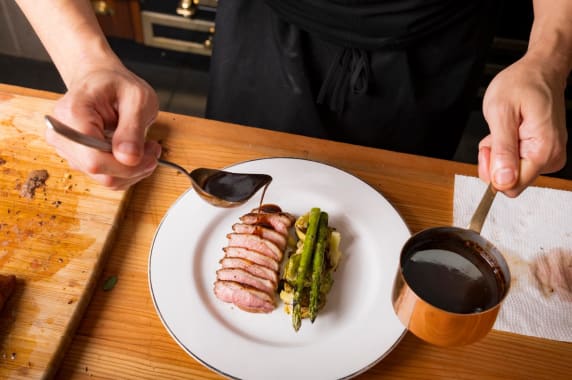
Product photography is the technical record. Clean background, accurate color rendering, multiple angles, detail shots that show texture, construction, and scale. Its job is to answer one question: what is this, exactly? It satisfies the informational requirement. On Amazon, on your product detail pages, in wholesale sell sheets, this is what buyers and retail merchants need to evaluate your product with confidence.
Lifestyle photography is the emotional argument. It shows the product inside a world, in the hands of a person, in the context of a moment that communicates who should buy it and what their life looks like when they do. Its job is to answer a different question: is this for me? BigCommerce data shows product pages with lifestyle photography see 32% higher conversion rates than those with studio shots alone.
Neither replaces the other. A lifestyle shot doesn't give a wholesale buyer the spec information they need. A white-background studio shot doesn't give a DTC customer the aspirational context that makes them feel something. You need both, and you need them working together across your channel mix.
The ratio shifts based on channel. For Amazon and distributor portals, lead with product photography and support with lifestyle. For direct-to-consumer social and paid ads, lead with lifestyle and support with product. For your own website, use both: lifestyle imagery to create desire at the top of the page, product photography to close the informational loop as they scroll toward the add-to-cart.
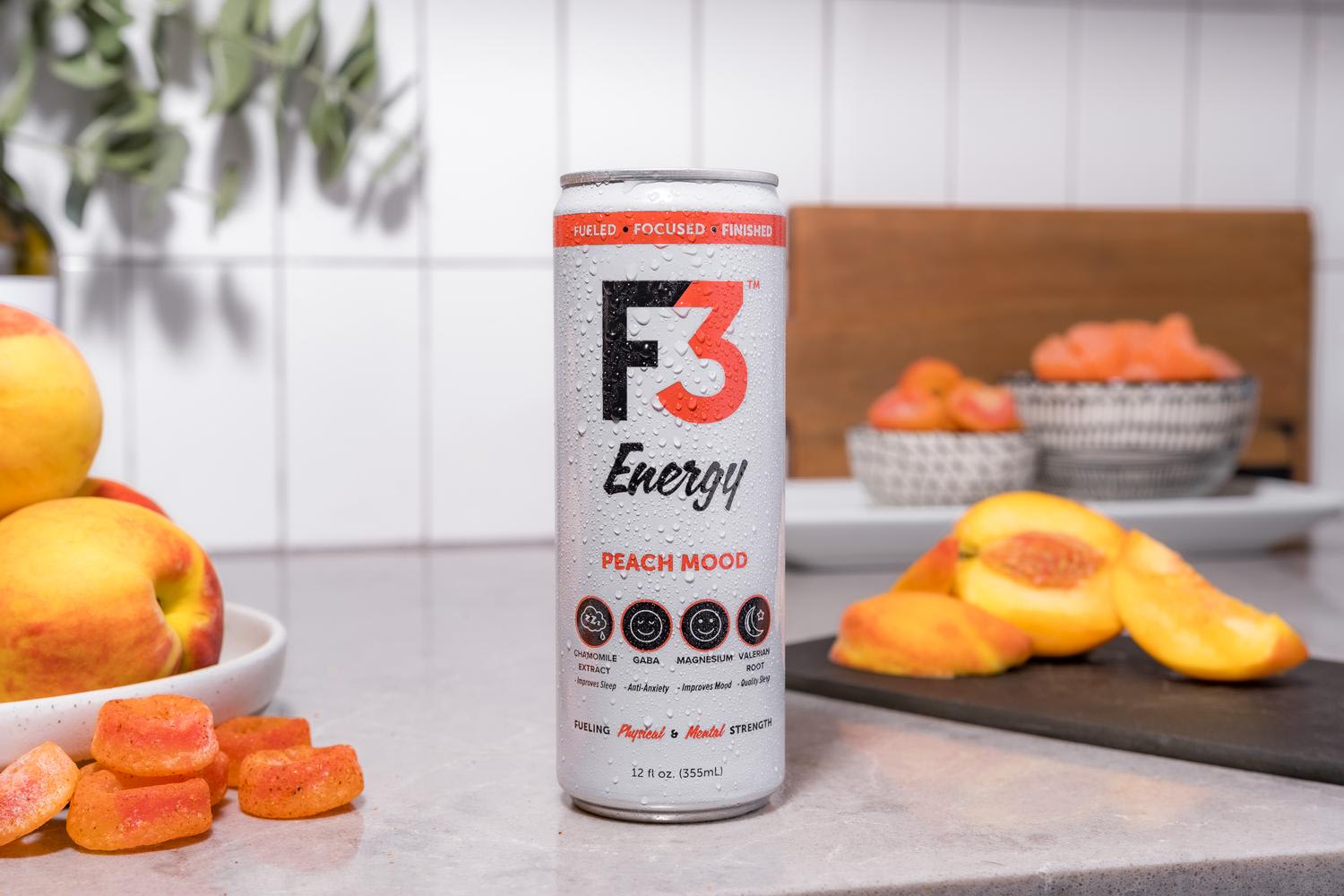
The problems aren't mysterious. We see the same ones repeatedly, and they all have a cost.
Wrong backgrounds. A textured backdrop that reads as interesting in theory becomes a distraction in practice when thumbnails are small, ads are cropped, and the product needs to read clearly in half a second. Clean, controlled backgrounds aren't a creative limitation; they're a functional requirement for most retail environments.
Inconsistent lighting across a product line. When SKU A was shot in a studio last spring and SKU B was shot with natural light at a pop-up six months later, the visual inconsistency signals to shoppers and wholesale buyers that the brand is disorganized. Consistency isn't cosmetic. It's brand credibility, expressed photographically.
Missing lifestyle context. Studio-only brands have technically accurate images that fail to communicate desire. A customer looking at a clean white-background photo of a skincare product understands what it looks like. They don't understand who it's for, when to use it, or how it fits into the routine they want. That gap is where lifestyle photography closes the sale.
Images shot for one channel and stretched across all of them. Square crops from Instagram don't work as Amazon hero images. Horizontal lifestyle shots don't work as story ads. Brands that shoot once without planning for deployment end up with assets that are technically unusable in the formats their channels require, which means they either skip those channels or run cropped, compromised images that underperform.
Scale and detail neglect. Especially common in categories like home goods, tools, and apparel: no shot that communicates actual size, no close-up showing the material or finish. Customers who can't gauge scale or texture don't buy; they move on to a competitor who showed them what they needed to see.
This is true across categories, including in more technical markets. We've written about the same dynamics in product photography for industrial brands, where the informational requirements are even more specific and the cost of a weak image is a missed wholesale account, not just a failed add-to-cart.

The smartest retail brand photography strategy isn't about producing beautiful images for one campaign. It's about building a visual library that serves every channel the brand operates in, continuously, from a coordinated set of shoot days.
Think about every place your product image appears: your website product pages, your homepage, your social feed, your paid social ads, your Amazon listing, your Google Shopping listings, your wholesale sell sheets, your trade show materials, your email campaigns, your PR pitches. Every one of those touchpoints needs an image. According to the National Retail Federation's digital commerce research, consumers expect a consistent brand experience across all of these environments. Inconsistent visuals across channels erode that consistency directly.
The solution isn't to shoot for each channel separately. That's expensive and operationally unsustainable. The solution is to plan a single shoot day with channel deployment in mind, capturing the aspect ratios, compositions, and content types that each channel requires from the beginning.
One well-planned shoot day can produce: hero images for the website, product detail shots for e-commerce platforms, lifestyle content for social and paid ads, background-removed PNGs for partner portals and wholesale buyers, horizontal banners for email headers, and vertical assets for stories and reels. The same shoot. The same products. Deployed across ten different channels.
This is why we advocate for brands to think about visual production through a content retainer model rather than one-off shoots. Your visual library compounds over time when production is ongoing and planned strategically, rather than reactive and sporadic.
We're a Dallas-based photo and video production company, and a significant part of what we do is retail brand photography for consumer product brands, DTC companies, and regional retailers who need images that actually perform in market.
Before we shoot anything, we map the deployment. Where is this image going to live? What does it need to do there? What aspect ratios are required? What story needs to be told in the lifestyle content, and who is the actual customer we're speaking to? That pre-production work is what separates a shoot that produces useful, deployable assets from one that produces technically pretty images that don't fit anywhere.
On set, we shoot product and lifestyle in coordination, not as separate events that feel disconnected. The studio work establishes the visual language: light quality, color palette, negative space. The lifestyle work extends that language into context. When a customer sees both on a product page, they read as the same brand because they were built together.
We also plan for content volume from the start. A retail brand with eight SKUs and three seasonal campaigns coming up doesn't need a one-off shoot; they need a production plan. We build that plan around their marketing calendar, their channel mix, and the volume of assets they actually need to stay active across those channels without repeating the same images for six months.
If you're evaluating production partners and want to understand what separates vendors worth hiring from those who will produce technically fine images that don't serve your actual needs, we've written about hiring a production company and what to look for in that process.
Good retail brand photography isn't about producing impressive images. It's about producing images that move product. Those are related goals, but they're not the same goal, and the distinction matters when you're building the brief, planning the shoot, and deploying the assets.
If you're ready to build a visual library that works as hard as your marketing budget, talk to us. We'll start with what you actually need.
What is the difference between product photography and lifestyle photography for retail brands?Product photography shows what the item looks like in isolation — clean background, accurate color, multiple angles. It is the technical record of the product. Lifestyle photography shows the product in use, in context, in a world that communicates who should buy it and how it fits into their life. Both are necessary. Product photography answers "what is this?" Lifestyle photography answers "is this for me?"How many product photos does a retail brand need per SKU?For e-commerce, the minimum is 4-6 angles per product (front, back, side, detail, scale reference). For lifestyle-driven brands, add 3-5 lifestyle shots per product or product category. For brick-and-mortar supplemental content, environmental retail shots showing the product in a store context support merchandising and trade materials. The total is higher than most brands initially plan for when they see the cost-per-image of professional photography.Should retail brands invest in both studio and lifestyle photography?Yes — and the ratio should be weighted toward lifestyle for brands selling to consumers through social or DTC channels. Studio shots satisfy the product information requirement. Lifestyle shots create the desire. A brand that invests heavily in studio photography and skimps on lifestyle content has technically accurate images that emotionally inert audiences scroll past.How often do retail brands need to update their product photography?Any time a product changes — material, packaging, color option, or size. For lifestyle content, seasonal updates (shooting the product in current seasonal context) keep social and marketing content fresh. Brands with seasonal merchandise or frequent new-product introductions benefit most from a retainer model that builds the visual library continuously rather than catching up with one large annual shoot.What is the ROI of investing in better product photography for a retail brand?Direct measurement: compare conversion rates on product pages before and after a photography update. Indirect: ad creative performance (better images generate better click-through rates and lower CPAs in paid social). For brands selling through wholesale channels, better photography in sell sheets and trade materials affects buyer decisions at the retail level. The ROI case for product photography is among the strongest in commercial marketing because the output directly touches every revenue channel.