You spent six months planning it. You booked the venue, built the run of show, wrangled the sponsors, and pulled off something your team was proud of. The event was a success by every measure that mattered on the night.
Then Monday hit. And all you had to show for it was a folder of iPhone photos, a few blurry crowd shots from someone's nephew, and a social post that got 14 likes.
That is the gap. Not in the event itself — in what happens after the event. The brands that treat event photography as a strategic asset don't just document the night. They build a content library that fuels marketing for the next twelve months.
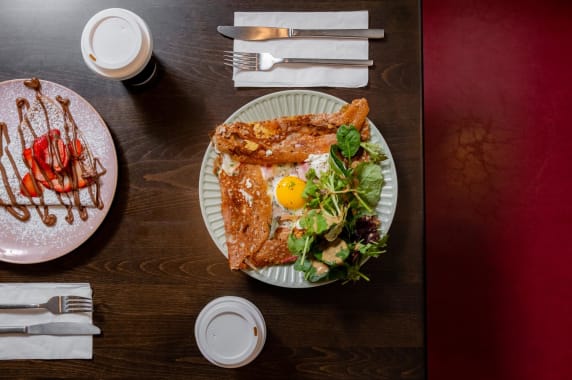
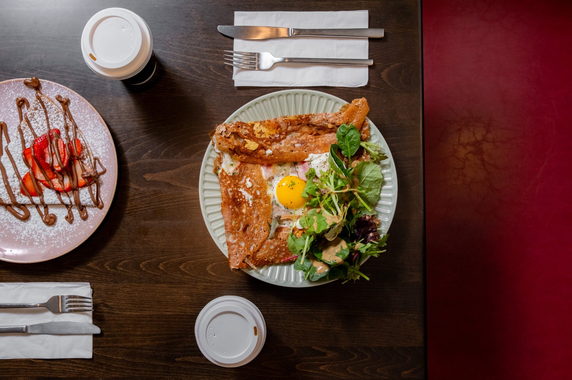
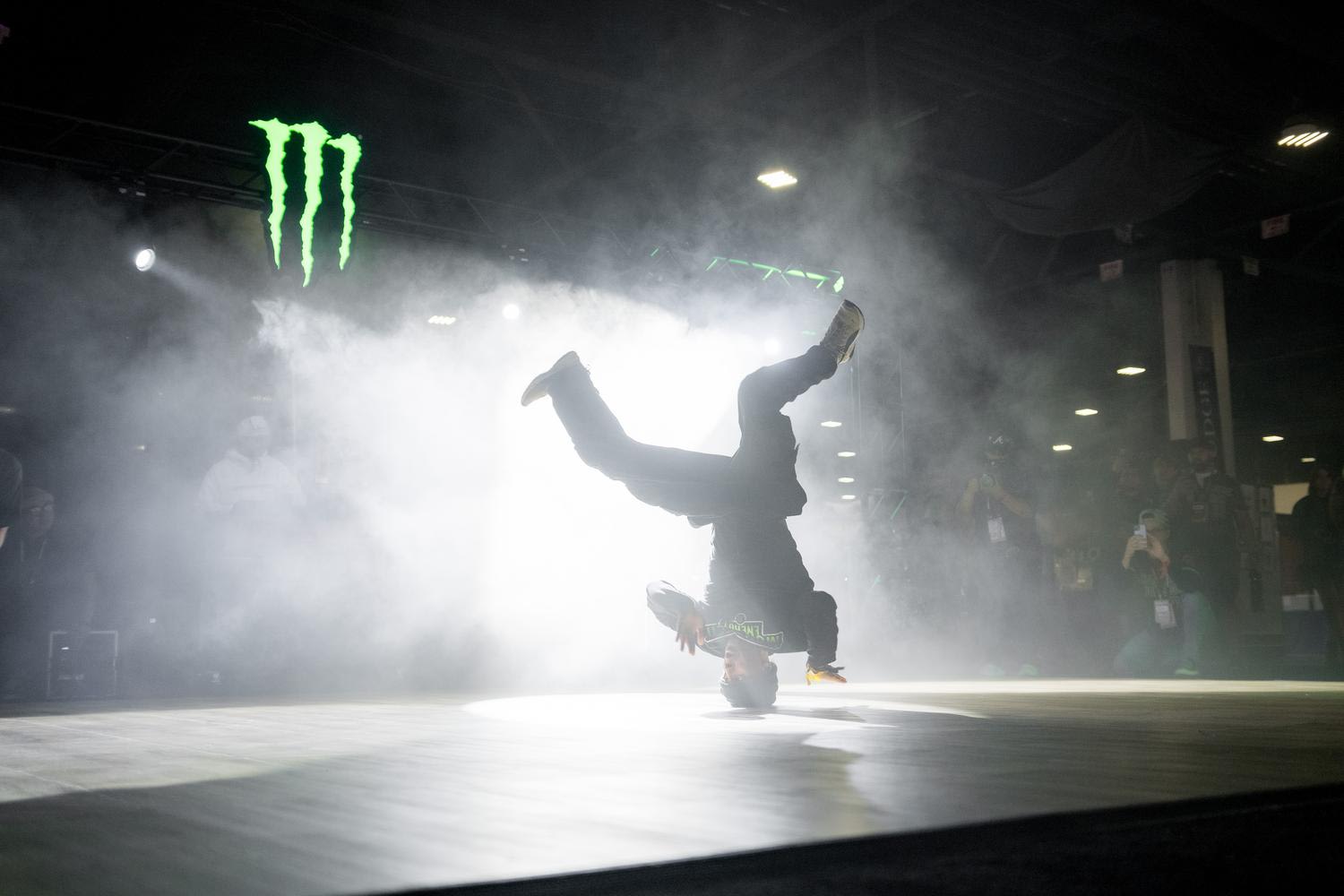
A single corporate event photography session — done right — produces far more than a highlight reel. It produces a system of branded visuals that slot into every channel your marketing touches: social, email, PR, website, internal comms, pitch decks, and paid media.
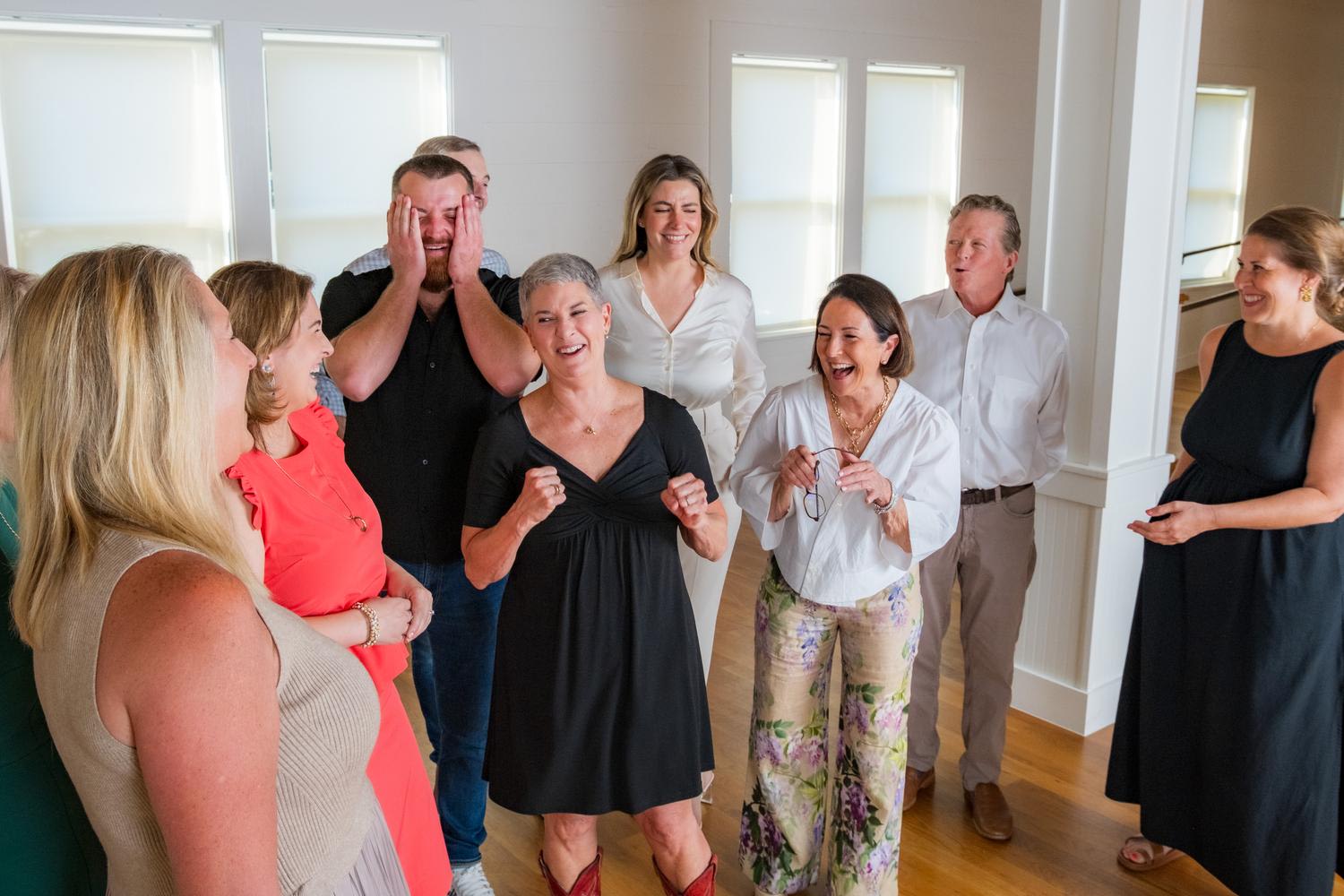
Think about what happens at your events. Executives speak on stage. Clients shake hands with your team. Your culture shows up in a room full of people who chose to be there. That is brand proof. And when it is captured with intention — with real lighting, real composition, and a photographer who understands what your brand needs to say — those images become the most versatile content you will produce all year.
According to Wyzowl's 2024 State of Video Marketing report, 82% of marketers report positive ROI from video content. The same principle applies to professional event photography: the investment compounds because the output is reusable. One gala produces headshots, candid moments, speaker coverage, venue atmosphere, sponsor visibility, and behind-the-scenes texture — all from a single night. Bizzabo's event marketing report found 87% of executives believe in-person events are critical to their brand strategy, which means the content captured at those events carries strategic weight far beyond a single news cycle.
Here is something most marketing directors learn the hard way: journalists and editors do not use bad photos. If your press release lands with a grainy attachment or a stock image placeholder, it dies in the inbox. Professional event photography changes that equation entirely.
Research from PR Newswire shows that press releases with professional images and multimedia receive significantly more engagement than text-only releases — with visibility increases that can reach several times the baseline. When your post-event PR includes high-resolution, editorially styled images from the night, media outlets have what they need to run the story. You are not asking them to imagine what your event looked like. You are handing them the visual.
That is the difference between coverage and silence. And Harvard Business Review on the long-term brand value of live events makes the case clearly: brands that invest in the documentation and amplification of live experiences build stronger audience relationships over time than those that let those moments disappear.

Most event photography feels like an afterthought because it was an afterthought. Someone grabbed a camera, pointed it at the crowd, and hoped for the best. The result is a batch of generic images that could belong to any company at any event in any city.
Strategic event photography marketing works differently. It starts before the event — with a shot list built around your brand's visual language, your campaign goals, and the specific moments that will matter downstream. It means knowing that you need a clean executive portrait for the annual report, a candid networking shot for LinkedIn, a wide venue image for the recap email, and a detail shot of the branded signage for sponsor fulfillment — all captured during a four-hour window.
That is not documentation. That is production. Cvent research shows events with professional photography receive 3x more post-event social engagement than those relying on informal or crowdsourced imagery — a gap that compounds every time your competitors show up to an event with a real production team and you don't.
One night. Six channels. Twelve months of runway.
The real expense is not the photographer. It is the missed opportunity. You already paid for the venue, the catering, the AV, the speakers, and the logistics. The event happened. The only question is whether you captured enough value from it to justify the investment after the fact.
Brands that skip professional corporate event photography end up spending more later — commissioning separate photoshoots for the content they could have captured in one evening. A staged team photo costs more than a candid one taken during a moment that actually happened. An executive headshot session costs more than pulling a clean portrait from event coverage. The math only works in one direction.
Visual content drives engagement across every major platform. Hootsuite's research consistently shows that image-based and video posts outperform text-only content by significant margins on LinkedIn, Instagram, and Facebook. Sprout Social's data on event-related social content performance reinforces this further — event imagery in particular drives above-average shares and saves because it captures authentic human moments that audiences recognize as real. Your event is the single richest source of authentic visual content your brand will produce all year. Treat it that way.
VANTAS covers branded events across 10+ U.S. markets — galas, product launches, conferences, community activations, corporate retreats. We send photographers and videographers who have already studied your brand, your shot list, and your goals before they walk through the door. The coverage is not reactive. It is built around what your marketing team needs for the next quarter.
Our retainer clients use event coverage as the backbone of their content calendars. A single corporate event shoot becomes the raw material for months of social posts, email campaigns, PR outreach, and website updates. This is where a content retainer model pays off most clearly: instead of scrambling to produce fresh content from scratch every month, the visual library compounds — each event adding to a growing asset base that your team pulls from across every channel. The content does not expire after a week. It works as long as your brand story stays the same — which, if the story is real, is a long time.
When you pair event coverage with a deliberate behind-the-scenes content strategy, a single evening can extend even further. The preparation, the setup, the team at work — that texture adds authenticity to your brand narrative and gives you a second layer of content beyond the polished event images themselves.
And according to Eventbrite's event marketing statistics, brands that consistently document and promote their events see compounding benefits in attendance and engagement year over year — because the content from last year's event becomes the best marketing for next year's.
Your events are not just experiences. They are content engines — if you capture them with the right team, the right plan, and the right intention.
The brands that get this right do not scramble for social content on Monday morning. They have a library. They have options. They have twelve months of visual proof that their brand shows up, brings people together, and means something.
That is what professional event photography actually buys you. Not photos. Leverage that lasts. If you are weighing the decision of hiring a production company for your next event, the question to ask is not whether you can afford it — it is whether you can afford to walk away from another event without the content it could have produced.
Ready to turn your next event into a year of content? Book a discovery call or reach out at hello@wearevantas.com.