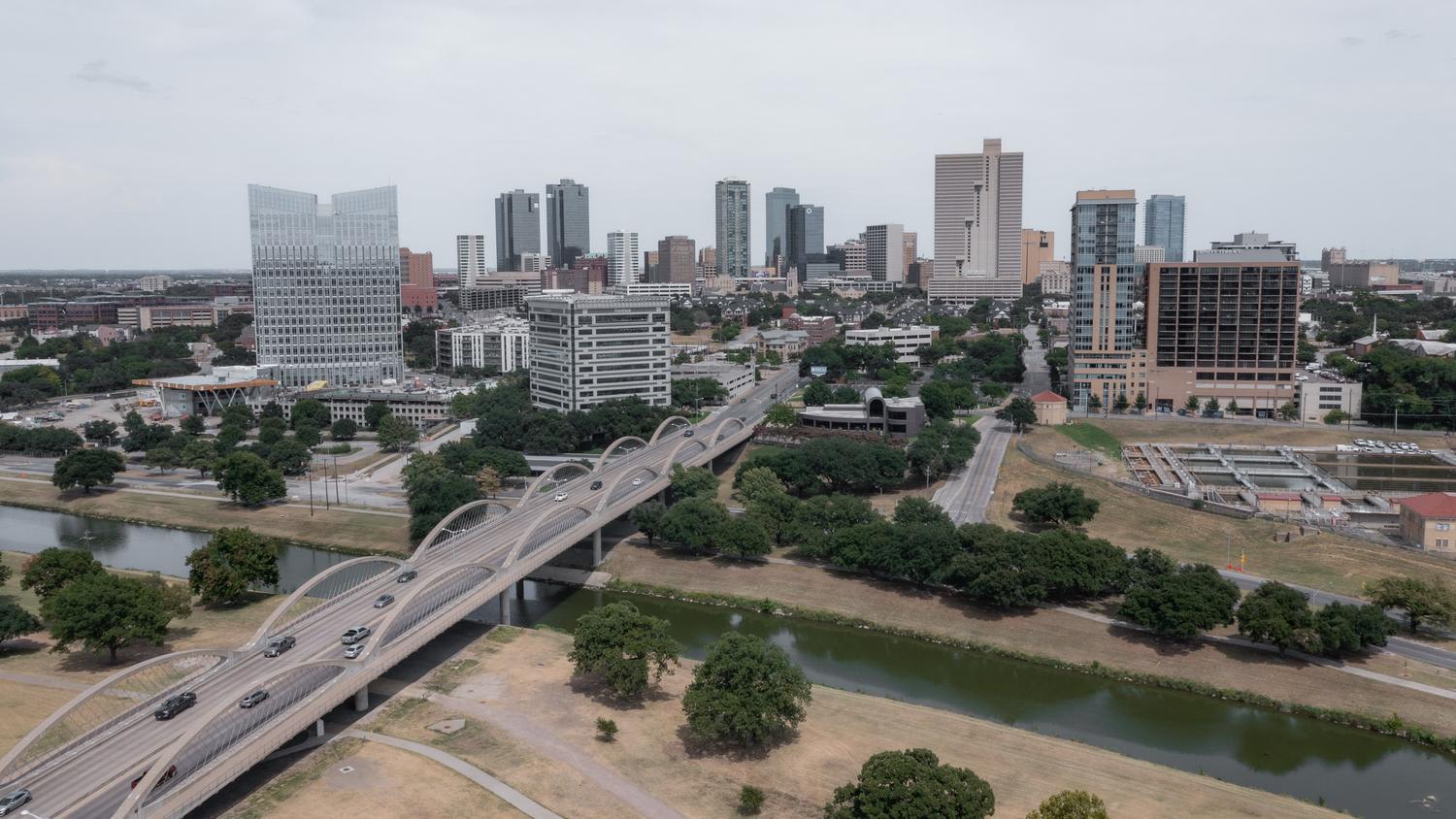
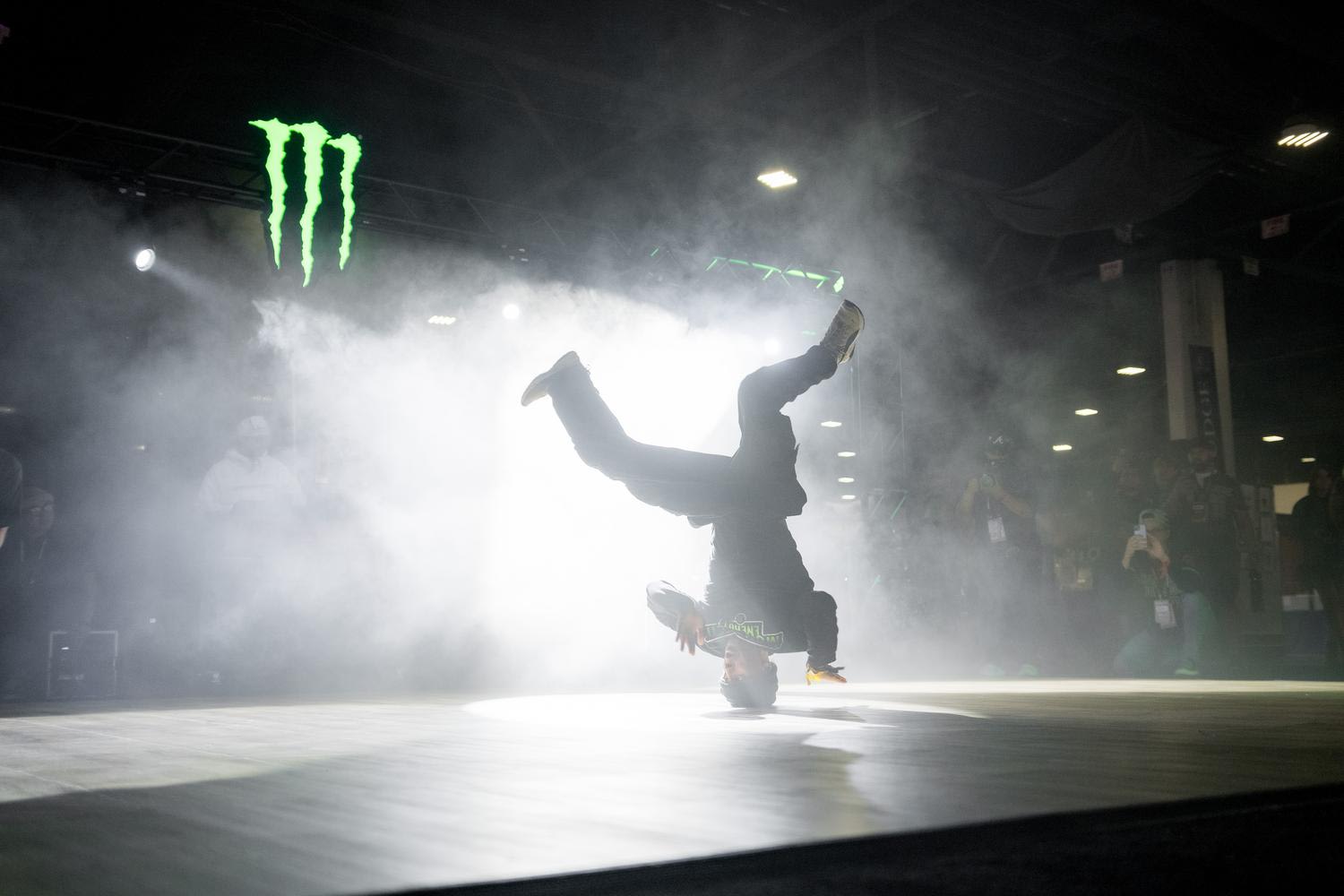
Walk into any grocery store with a craft beer section and you will see the same thing: dozens of cans screaming for attention, each one more illustrated than the last. Now pull out your phone and search the brewery behind your favorite one. What you find in those first few seconds — the Instagram grid, the Google image results, the Untappd photos — that is where brand loyalty either starts or stalls. Craft brewery photography is not a nice-to-have. It is the first impression, and in a market this crowded, first impressions are doing a lot of work.
The Visual Identity Problem Most Craft Breweries Don't Know They Have
The Brewers Association reports over 9,500 craft breweries currently operating in the US. That number has grown every year for more than a decade. The beer itself has never been better, and the competition has never been tighter. The brands that break through are not necessarily making better beer than the brewery two miles away. They are telling a better story, and telling it visually.
Here is the honest problem: most craft brewery photography looks the same. You get the can on a white background. The tap handle shot. The bartender pulling a pint with slightly blown-out backlighting. The taproom selfie from someone's birthday party. None of that is bad content, but none of it is a story either. It is documentation, not identity.
A visual identity communicates something specific about who you are before anyone tastes your beer. It tells a potential customer whether your taproom is the kind of place they want to bring their dog and a book, or the kind of place where they watch the game and eat wings, or the kind of place where a brewer who obsesses over water chemistry will talk their ear off for forty minutes. All of those are valid identities. The ones that build loyal communities are the ones that communicate it clearly.
Nielsen research found that craft beer consumers cite packaging and visual identity as the #2 purchase driver, sitting right behind personal recommendation. Your photography is not decorating your brand. It is actively influencing purchase decisions for people who have never tasted your beer.
What Craft Beer Buyers Are Actually Looking For
The discovery journey for a craft beer customer moves fast. Someone hears about your new hazy IPA at a friend's cookout. They open Untappd, find your brewery, and look at the check-in photos. Then they tap over to your Instagram. If what they find there looks like a coherent world they want to be part of, they will make the trip. If it looks like a feed of event flyers and blurry can shots, they will move on.
Instagram's data shows beer and brewery content generates 34% higher engagement than the food and beverage average. That is not because people love beer more than food — it is because the best brewery accounts have figured out that they are not selling a product, they are selling a community and a place.
The taproom decision specifically is driven almost entirely by visual content. Someone new to your city or neighborhood is going to Google your taproom, and the images that populate that search result are going to make or break the visit. According to the Craft Brewing Business industry report on taproom marketing, taprooms that invest consistently in professional photography see measurably higher foot traffic from first-time visitors. People want to see the space, the vibe, the crowd, the light. They are not walking in blind if they can help it.
The Five Shots Every Craft Brewery Actually Needs
Not every brewery has the same content gaps, but after working with food and beverage brands, we consistently find the same five categories doing the most work.
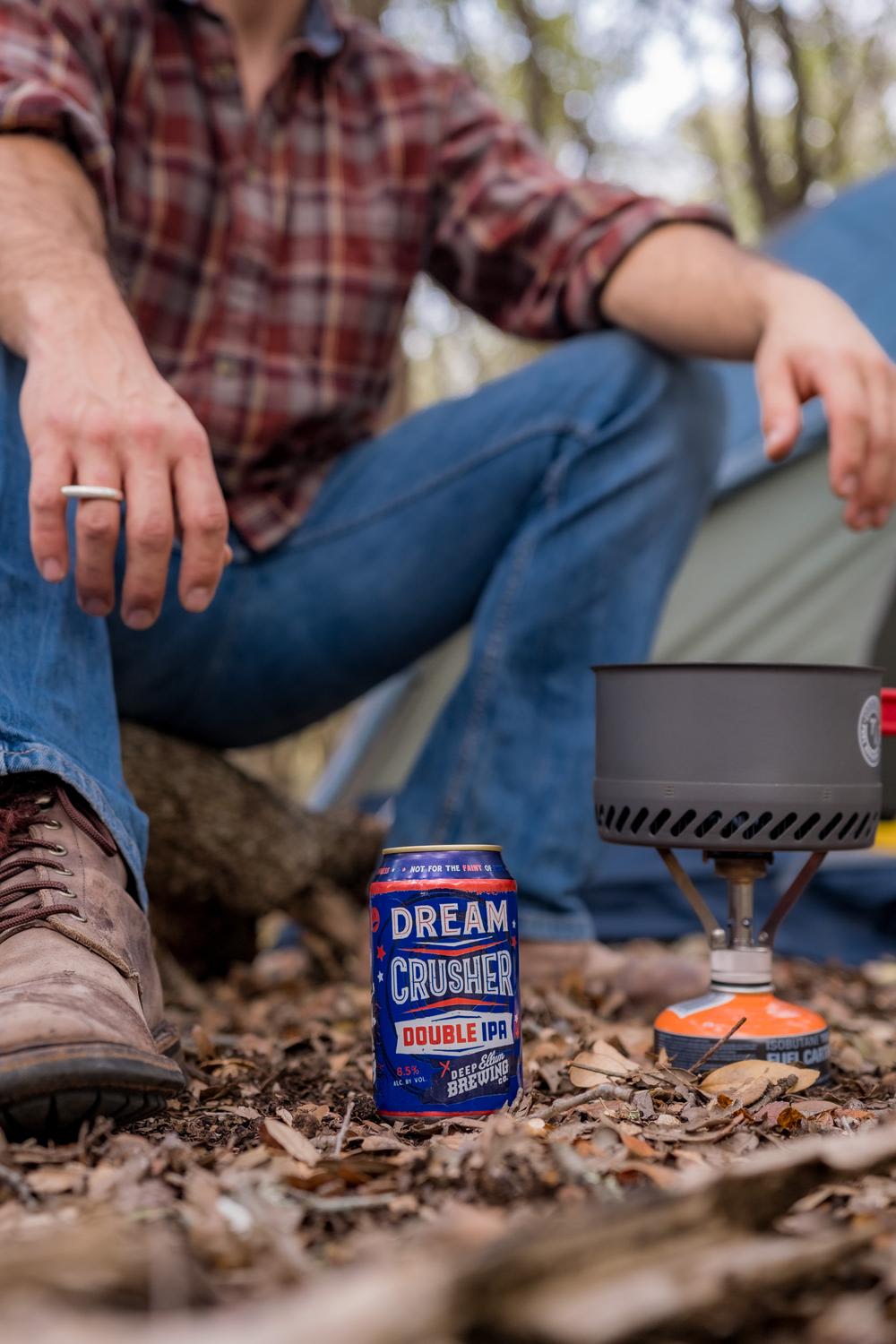
1. Product in Context
Not a flat lay. A cold can beading condensation in someone's hand on a back porch. A crowler on a picnic table with friends out of focus behind it. Your seasonal release styled against the ingredients that went into it. Product in context sells the experience, not just the object.
2. Brew Day and Process
The brewing process is genuinely interesting to craft beer consumers, and most breweries shoot almost none of it. Grain milling, mash in, yeast pitch, dry hopping, tank samples — these are the moments that separate craft from commodity. They are also content gold for behind-the-scenes content that drives engagement specifically because it is not polished.
3. Taproom Atmosphere and Community
Shoot your taproom full, not empty. Empty taprooms look sad in photos no matter how good your interior design is. The atmosphere you are selling is the people in it — the regulars, the families on a Saturday afternoon, the trivia night crowd. This is the content that drives a first-time visitor to make the decision.
4. Portraits of the People Behind the Beer
Your head brewer is a character. Your taproom manager has a story. Your founders started this thing for a reason that has nothing to do with profit margins. Those human stories are what make someone root for your brewery over the next one. A strong portrait series of your team, shot in the environment where they work, is some of the highest-performing content a brewery can produce.
5. Packaging Art in Real Environments
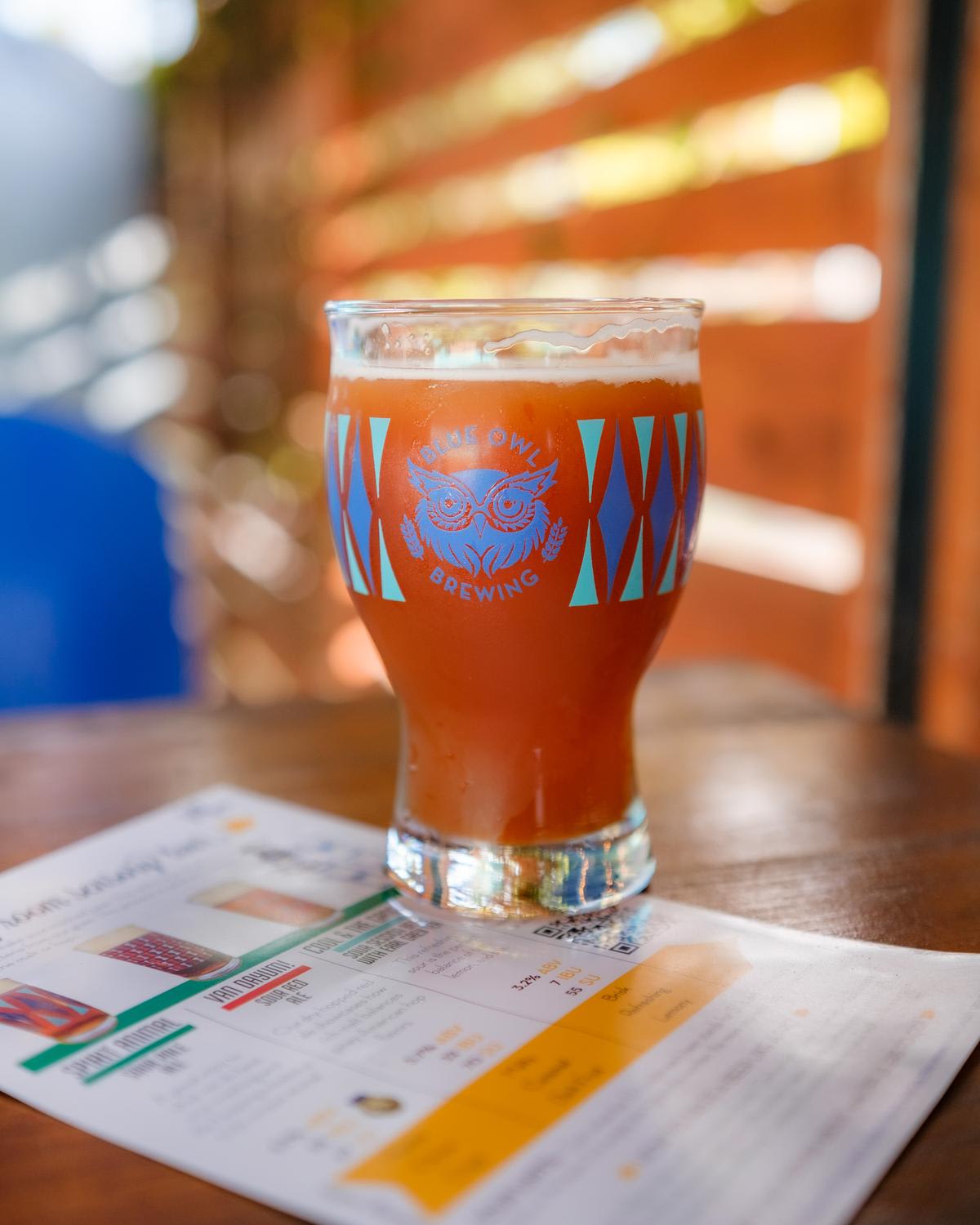
Your can art deserves better than a white cyc. Show it in the cooler at a bottle shop. Show it in a well-styled flat lay with the raw ingredients from the recipe. Show it coming out of a four-pack on a tailgate. The goal is to put the packaging into a world the customer recognizes, so they can picture themselves in that moment.
The Common Visual Mistake That's Costing You Taproom Traffic
The most counterintuitive thing we tell craft brewery clients is this: looking too polished can hurt you. Craft beer culture has a built-in skepticism of corporate gloss. When a small independent brewery starts producing content that looks like a macro beer campaign, something feels off to the audience, even if they cannot name exactly why.
The visual categories that perform best in this space are process documentation, candid community moments, and honest portraiture. These are not lower-production-value shoots. They require a creative team that knows how to make something feel real without being sloppy — which is a harder skill than just making something look expensive.
The Brewers Association Brand Building for Small and Independent Breweries guide makes this point clearly: independent craft breweries compete on authenticity, not production scale. The photography strategy has to reflect that. The brands winning shelf space and taproom loyalty are the ones that look like themselves, not like an aspirational version of a brewery that does not exist.
This is also where understanding brand photography ROI becomes important for brewery owners making budget decisions. The return on craft brewery photography is not just aesthetic — it is measurable in reach, engagement, and foot traffic when the content strategy is built around the right shots.
How Vantas Works With Craft Breweries
We are a Dallas-based production company, and we work with food and beverage brands specifically because the storytelling in this category rewards the kind of approach we take: human-first, specific, built around the people and the process as much as the product.
A typical brewery shoot day starts before the taproom opens. We document brew day activity first — tanks, grain, the physical work of making beer. Then we transition to product work while the light is good: contextual can shots, styled packaging setups, taproom bar details. We shoot the space during soft open with your core staff, then capture peak service as the crowd comes in. Portraits of the brewing team happen in their natural environment, not in front of a plain backdrop.
What comes out of a single full shoot day is content that works across multiple channels. The process shots and team portraits go into your social content calendar and refresh your website. The taproom atmosphere shots feed your Google Business profile and distributor sell sheets. The packaging content goes to retail partners and lives on Untappd. When you are thinking about hiring a production company for this kind of work, the question to ask is not just whether they shoot food and beverage — it is whether they understand how brewery content actually gets used after the shoot is done.
We also offer retainer structures for breweries that need ongoing content tied to seasonal releases, can art rollouts, and events. A quarterly retainer typically covers the content needs of most independent breweries without the overhead of a full-time content creator on staff.
The goal every time is the same: someone finds your brewery online, and within thirty seconds they understand who you are, what you stand for, and whether your taproom is their kind of place. That is what good craft brewery photography actually does. It does the selling before anyone pulls a pint.
Ready to Build a Visual Identity That Matches the Beer You're Making?
We work with craft breweries, taprooms, and food and beverage brands that have a story worth telling and need a team that knows how to tell it on camera. If that sounds like you, reach out at wearevantas.com/contact and let's talk about what a shoot day looks like for your brewery.